Key takeaway
Like-for-like work in a NYC apartment generally needs no DOB permit: replacing cabinets, counters, fixtures, flooring, and paint in the same locations. You need filing when you move plumbing or gas, add or relocate electrical circuits, touch walls, or change the layout. Your contractor files it, not you, and the process costs $2,000 to $8,000 in soft costs on a typical apartment job. Skipping it resurfaces at resale, every time.
Not sure if your scope needs a permit? Call and we will tell you straight.
Free on-site estimate. Written, fixed-price quote within 48 hours.
What never needs a permit
The Department of Buildings does not care about appearances, it cares about systems: plumbing, gas, electrical, structure, and egress. If none of those change, the work is generally not filed. That covers more than most renovators expect:
- Kitchen cabinets and countertops replaced in the same footprint, same sink location, same appliances
- Bathroom fixture swaps: toilet for toilet, vanity for vanity, same drain locations
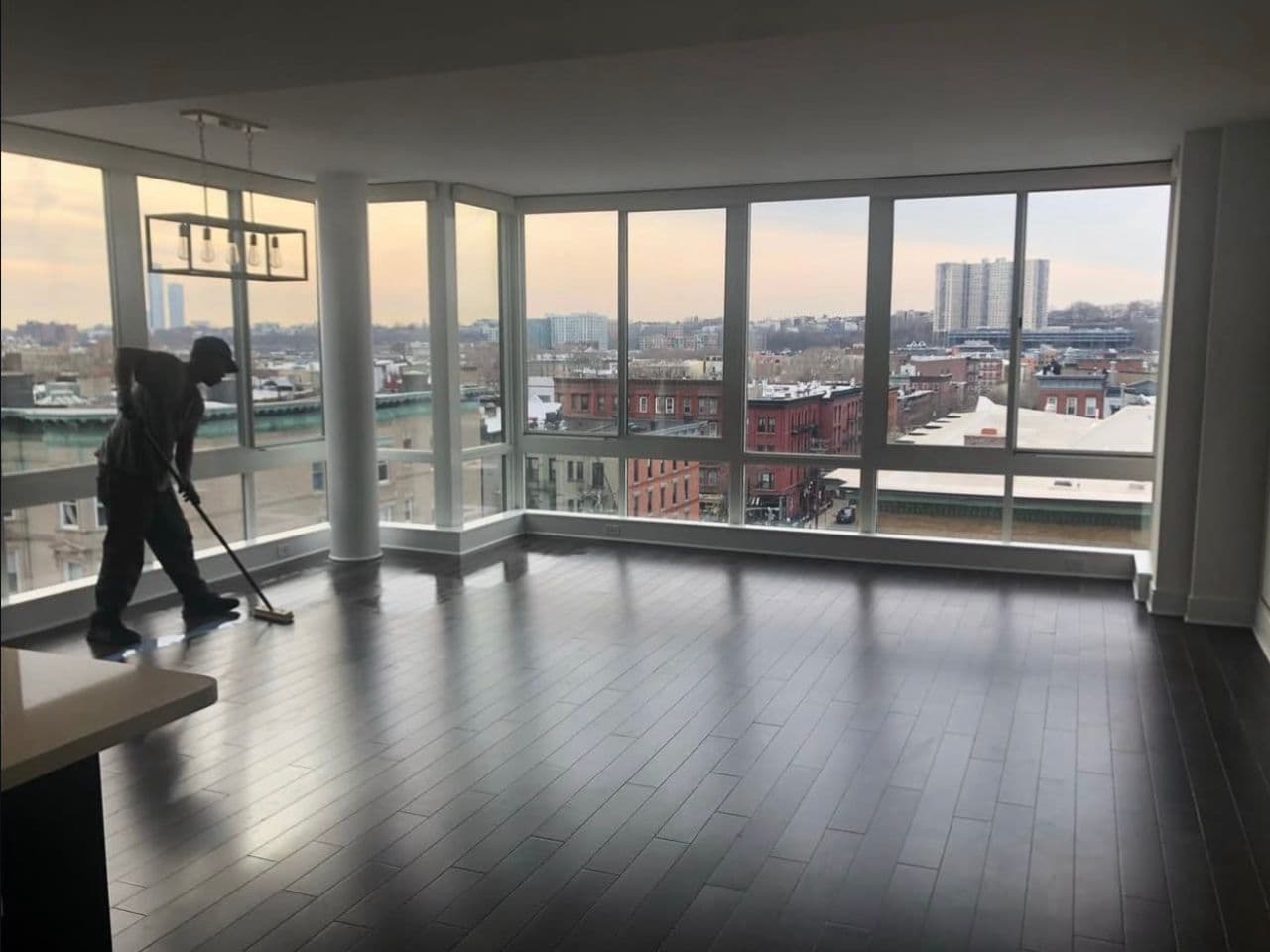
- Flooring replacement or refinishing, interior painting, trim, millwork that is not structural
What always needs a permit
The dividing line is the systems, and this table is the whole answer for most apartments:
Filing vs no filing, at a glance
| No DOB filing usually needed | DOB filing required | |
|---|---|---|
| Plumbing | Same fixture, same location | Moved drains, new wet wall, new fixtures elsewhere |
| Gas | Like-for-like appliance swap | New gas line, extended line, meter changes |
| Electrical | Lamp and fixture swaps | New circuits, panel work, relocated outlets |
| Walls | Patch and repaint | Remove, add, or relocate any wall |
| Layout | Same rooms, same doors | Room count changes, new egress |
| Example project | Cosmetic refresh, flooring, paint | Kitchen or bathroom renovation with changes |
Plumbing
No DOB filing usually neededSame fixture, same location
DOB filing requiredMoved drains, new wet wall, new fixtures elsewhere
Gas
No DOB filing usually neededLike-for-like appliance swap
DOB filing requiredNew gas line, extended line, meter changes
Electrical
No DOB filing usually neededLamp and fixture swaps
DOB filing requiredNew circuits, panel work, relocated outlets
Walls
No DOB filing usually neededPatch and repaint
DOB filing requiredRemove, add, or relocate any wall
Layout
No DOB filing usually neededSame rooms, same doors
DOB filing requiredRoom count changes, new egress
Example project
No DOB filing usually neededCosmetic refresh, flooring, paint
DOB filing requiredKitchen or bathroom renovation with changes
If your project lands on the right column, the filed work usually means an architect or engineer draws stamped plans, a licensed master plumber and electrician sign their portions, and the permit gets issued to the contractor. Our kitchen remodeling and bathroom remodeling quotes include the filing as its own line, so the permit is never a surprise.
Who files, and what it costs
Your contractor files, through their licensed trades and usually an expeditor who walks the paperwork through the Department of Buildings. Owners can file themselves, but you take on liability and coordination you are not equipped for, and co-op boards typically require the contractor to be the filing party anyway.
Permit soft costs on a typical apartment job (2026)
| Scope | Low | High |
|---|---|---|
| DOB filing and permit fees | $300 | $1,500 |
| Architect or engineer drawings, where required | $2,000 | $8,000 |
| Expeditor | $1,500 | $4,000 |
| Amendments and close-out filings | $300 | $1,000 |
DOB filing and permit fees
$300 - $1,500
Architect or engineer drawings, where required
$2,000 - $8,000
Expeditor
$1,500 - $4,000
Amendments and close-out filings
$300 - $1,000
These belong in the quote as visible lines. When a quote omits them entirely, ask whether the work is being filed at all. For how the filing costs fit the total, see what a full apartment renovation costs.
How long the permit takes
Two to eight weeks for apartment-scale work filed through DOB NOW. Simple filings with no objections can clear in days. Objections, usually about drawings or a building's specific record, are resolved between the architect and the plan examiner, and each round trip adds a week or two. Order long-lead materials like cabinets only after the filing is accepted, or accept the risk of a storage problem.
In a co-op, the board process and the DOB process are sequential, not parallel. Read how co-op board approval works before you set a start date, because approval typically adds 4 to 12 weeks ahead of filing.
Permit questions on a specific scope? We answer 7 days a week.
Free on-site estimate. Written, fixed-price quote within 48 hours.
What happens if you skip it
Three separate exposures, in ascending order of pain. Neighbors report noise: a complaint brings an inspection, and an inspection of unfiled work brings a stop-work order and violations attached to the unit. Insurance declines: work done outside permits can fall outside coverage exactly when you need the claim. And resale: the buyer's attorney requests the permit history, finds the gap, and you either legalize the work on their timeline or credit it away. The Department of Buildings posts the violation and permit records publicly, which is exactly how those gaps get found.
Landmarks add a second layer
Interior work in a landmarked building usually sails through, because the Landmarks Preservation Commission cares about what is visible from the street: windows, doors, facades, storefronts. But if your building is in a historic district and your project touches any of those, you need LPC approval before the DOB filing, not after. That includes the most common case in West Village and Greenwich Village buildings: window replacement. Budget one to three months for LPC review when it applies.
Frequently asked questions
Can I replace a kitchen without a permit in NYC?
Yes, if it is a like-for-like replacement: new cabinets, counters, and appliances in the same locations, with no plumbing, gas, or electrical changes. The moment you move the sink, add a circuit, or touch a gas line, the work requires DOB filing. The distinction is layout change, not appearance.How long does a DOB permit take?
Two to eight weeks for typical apartment work, depending on whether the filing draws objections and how quickly your architect or expeditor resolves them. Simple jobs filed through DOB NOW often clear in days when nothing is flagged. Build the wait into the schedule before you order cabinets.What happens if I renovate without a permit?
The risk is not the fine, it is the trigger: stop-work orders, violations attached to the unit, and reopening finished walls for inspection. It resurfaces at resale, when the buyer's attorney asks for the permit history and you retrofit paperwork on their closing deadline. Unpermitted work is the most expensive kind of cheap.Who pulls the permit, me or my contractor?
Your contractor, through their licensed trades and usually an expeditor. Owners who file their own permits take on liability and coordination they are not equipped for, and co-op boards typically require the contractor to be the filing party anyway. If a contractor tells you permits are your job, that contractor has not done this before.How much does a DOB permit cost?
The city fees themselves typically run a few hundred dollars for apartment-scale work. The real soft cost is the filing around them: architect drawings where required and an expeditor, which together run $2,000 to $8,000 on a typical apartment renovation. Those lines belong in the quote, not in a surprise.
Free on-site estimate. Fixed-price quote in 48 hours.
No deposit required. Written workmanship guarantee on every job. We answer phones 7 days a week, 7am to 7pm.